


Blocked staircases? Wapping narrow-terrace moving fixes
Posted on 22/06/2026
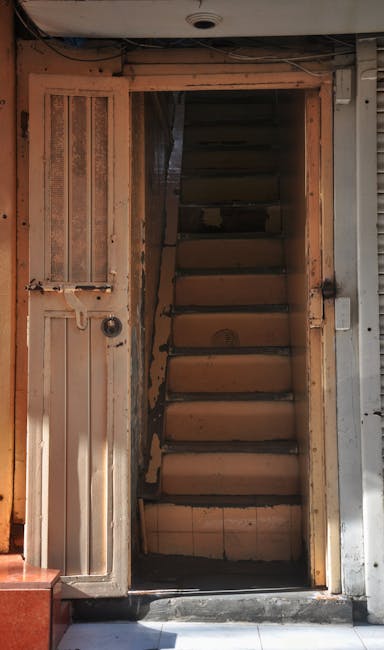
If you have ever stared at a boxed-up sofa, a mattress, or a wardrobe in a Wapping terrace and thought, "How on earth is this getting downstairs?", you are in the right place. Blocked staircases? Wapping narrow-terrace moving fixes is really about solving one very local problem: awkward internal access in period homes, compact flats, and tight stairwells where every turn seems to fight back.
These moves are rarely impossible. They just need a calmer plan, the right handling method, and a bit of local know-how. In this guide, you will find practical fixes for blocked staircases, safer loading methods, and sensible ways to move bulky furniture without turning the day into a stress festival. Truth be told, most of the pain comes from rushing. Slow, tidy, and measured usually wins.
We will cover how these moves work, who they suit, what to avoid, and which small decisions make the biggest difference. If you are preparing a flat move, a house move, or just trying to get one awkward item out of a narrow terrace, the advice below should save you time, energy, and a few bruised nerves.
- Why blocked staircases matter in Wapping
- How the moving fix works
- Key benefits and practical advantages
- Who this is for and when it makes sense
- Step-by-step guidance
- Expert tips for better results
- Common mistakes to avoid
- Tools, resources and recommendations
- Law, compliance, standards and best practice
- Options and comparison table
- Case study or real-world example
- Practical checklist
- Conclusion
- Frequently asked questions
Why Blocked staircases? Wapping narrow-terrace moving fixes Matters
Wapping has a lot going for it: historic streets, riverside character, and homes with real personality. But that charm can come with narrow internal stairs, tight landings, steep turns, and staircases that feel as if they were designed before wardrobes became a normal thing. That is where blocked staircase moving fixes matter.
When a staircase is blocked, the issue is not just inconvenience. It can affect safety, timings, and whether the move can happen at all without damage. A single jammed item can slow the whole schedule, create congestion in the property, and make it harder to manage other items coming behind it. One badly planned lift can set the tone for the rest of the day. Nobody wants that.
Blocked staircases also tend to expose weak planning. Maybe the sofa was measured in the shop, but not against the tight bend halfway down the stairs. Maybe the bed frame was not disassembled early enough. Maybe the landing has a radiator, a bannister, and a door swing all competing for the same few inches. These are normal problems in terrace moves, but they need practical answers rather than guesswork.
That is especially true in older Wapping properties, where access can be awkward even before you reach the front door. The sensible response is not to force furniture through at all costs. It is to prepare the route, split the load where possible, and use the right moving technique for the space.
For people comparing services, a good starting point is the wider support available through services overview, which helps frame how the move might be handled as a whole rather than as one isolated headache.
How Blocked staircases? Wapping narrow-terrace moving fixes Works
At its simplest, the process is about removing friction. The staircase is the friction point, so the fix is to reduce the size of the load, improve the route, and control the movement more carefully. That sounds obvious, but in practice it takes a few distinct steps.
1. Measure the problem, not just the item
People often measure furniture and stop there. Helpful, yes, but not enough. You also need the width of the narrowest stair point, the height of any low ceiling, the depth of the landing, and the turning space at each bend. If an item can fit in theory but not physically rotate, it is still a problem.
2. Decide whether the item should stay in one piece
Some items move better when dismantled. Bed frames, wardrobe doors, table legs, and shelving can often be removed to create more room. Other items, like pianos or delicate glass pieces, may need specialist handling rather than more dismantling. If you are unsure, that is a useful sign to slow down and assess properly. For especially awkward or high-value pieces, see piano removals support in Wapping and why professional piano moving can pay off.
3. Clear the staircase route completely
This includes removing mats, pictures, loose items, bins, and anything that narrows the passage. It also means checking for hidden snags like protruding hooks, awkward door handles, or a stair runner that could catch underfoot. Small things matter here. A lot.
4. Choose the right lift technique
Depending on the object, movers may use a two-person carry, a shoulder strap, a slide-and-pivot approach, or a step-by-step partial turn on the landing. The trick is to keep the centre of gravity controlled and avoid sudden jerks. That is where the pace changes. You do not rush a staircase carry; you negotiate it.
5. Create a backup plan for impossible items
Sometimes the honest answer is that the staircase is simply not the best route. In those cases, alternative access, temporary storage, or a different moving angle may be the better option. If you need somewhere to park items safely for a short period, storage in Wapping can make the whole day feel much less pressured.
In our experience, the best moves are the ones where everyone knows the plan before the first heavy item appears. There is a strange calm to that. Even the staircase seems to behave better when nobody is improvising on the fly.
Key Benefits and Practical Advantages
Blocked staircase moving fixes are not just about getting through a difficult route. They also improve the quality of the move in ways people often do not notice until later.
- Less damage to walls, bannisters, and floors: careful route planning reduces scrapes, dents, and knocked corners.
- Faster progress on moving day: a prepared staircase route keeps the move moving, which matters in compact Wapping properties.
- Lower physical strain: fewer awkward turns and less last-minute lifting means less risk of overdoing it.
- Better control over bulky items: a sofa that has been planned properly is much easier to manoeuvre than one tackled in panic.
- More predictable timings: when you know which items may need dismantling or an alternative route, the day feels easier to manage.
There is also a mental benefit, and it is not small. When the staircase is no longer seen as a wall of doom, people settle down. The whole tone of the move shifts. A calmer household usually makes better decisions, no surprise there.
If you are comparing related move types, the support pages for flat removals in Wapping and house removals in Wapping can help you judge how access issues might be handled at a broader level.
Who This Is For and When It Makes Sense
This approach is useful for a fairly wide range of people, but it is especially relevant if you live or work in one of these situations:
- Victorian or older terrace homes with narrow internal stairs
- Top-floor flats with compact landings
- Maisonettes with tight staircase turns
- Homes with fixed bannisters or awkward hallway layouts
- Moves involving large furniture, white goods, or fragile specialist items
- Student moves where access is tricky and time is short
- Same-day moves where there is little room for trial and error
It also makes sense for people who are moving on a deadline. If you are leaving a property by the end of the day, or trying to vacate before cleaners arrive, blocked stairs can throw the entire schedule off. The same goes for anyone trying to move during a narrow window around work, childcare, or building access.
For students and renters in particular, a lighter-touch service can be useful. See student removals in Wapping and same-day removals if speed is part of the problem.
If you are not sure whether the job is manageable alone, ask yourself a blunt question: can the item safely turn, tilt, and clear the staircase without touching the wall? If the answer is "probably not", that is usually your answer right there.
Step-by-Step Guidance
Here is a practical way to handle a blocked staircase move without making it harder than it needs to be.
- Walk the route in advance. Start at the room, move through the stairs, and stop at every turn. Look for pinch points, low ceilings, and anything that could catch.
- Measure the item properly. Measure height, width, and depth. Then measure again with any packaging or protective wrapping included.
- Decide what can be dismantled. Remove legs, shelves, doors, drawers, bed slats, and anything else that makes the item bulkier than it needs to be.
- Protect the staircase. Use floor coverings, corner protection, and careful wall guarding where appropriate.
- Plan the carry order. Move the easiest items first if that clears space, or move the staircase blockers first if they are holding everything up.
- Use the right number of people. Some items need more hands than they first appear to. Trying to "just manage" with one person too few is where trouble starts.
- Keep a pause point. On narrow terraces, it often helps to stop at the landing, breathe, re-grip, and then continue. That small pause can prevent a big mistake.
- Know when to stop. If the item is scraping, twisting, or losing balance, step back and reassess instead of forcing it through.
That last point matters more than people think. A move can feel like it is running late, but forcing a bad carry usually costs more time than pausing for five minutes. It is annoying in the moment. Later, you will be glad you did it.
For packing support before the move, it helps to read packing and boxes in Wapping and packing tips for a smoother relocation. Well-packed items are easier to grip, easier to stack, and less likely to wobble on a narrow stair.
Expert Tips for Better Results
The difference between an awkward move and a smoother one often comes down to small details. These are the things that tend to help most.
- Take the item out of the room before wrapping it fully. Sometimes full wrapping makes an already large item even harder to angle.
- Use a "dry run" with smaller items. If you are unsure about a route, test the turn with something light first. It is a simple way to spot a bad angle.
- Keep one person on the staircase and one guiding from below or above. Clear instructions matter. No shouting matches on the landing, ideally.
- Watch the door swing. A door that stays open in the wrong place can steal precious inches.
- Protect high-contact points first. Bannisters, corners, and wall edges are usually where damage happens.
- Choose the right time of day. Early starts can help in busy buildings, and they tend to feel calmer before the day gets noisy.
A small but useful observation: in cramped properties, the person guiding the move often needs to be more patient than strong. That is not always the glamorous part. Still, it is the part that saves the item.
If the move is especially equipment-heavy or you want professional handling for heavier items, the wider support around furniture removals in Wapping can be worth looking at. And if you are dealing with a tricky manual lift, the article on solo heavy lifting ideas is a useful companion read.
Common Mistakes to Avoid
Most staircase problems are not caused by the staircase itself. They are caused by avoidable mistakes. Here are the big ones.
- Measuring only the item, not the route. A wardrobe may fit on paper and fail on the landing.
- Leaving dismantling until the last minute. This is one of the easiest ways to create stress.
- Forgetting about grip and balance. Loose wrapping, slippery surfaces, and bad hand placement can make even a simple carry risky.
- Trying to force a stubborn angle. If it does not pivot cleanly, stop.
- Ignoring the staircase environment. Wet shoes, clutter, poor lighting, and narrow doorways all add risk.
- Underestimating the weight distribution. A sofa that feels light at one end can shift awkwardly halfway down the stairs.
Let's face it, most of us have had that moment where we think, "It'll be fine if we just tilt it a bit more." That sentence has caused more moving-day drama than people like to admit. Fine usually means "not yet".
If you want to avoid hidden surprises in the overall move budget, the guide on spotting hidden fees in removal quotes is a sensible read before booking anything.
Tools, Resources and Recommendations
You do not need a van full of specialist gear to make a staircase move easier, but a few practical tools can make a huge difference.
| Tool or resource | What it helps with | Best use case |
|---|---|---|
| Protective blankets | Reducing scrapes and impact marks | Sofas, drawers, tables, headboards |
| Straps or lifting aids | Improving control during awkward carries | Heavier furniture and appliances |
| Corner protectors | Shielding wall edges and door frames | Tight stair turns |
| Flat-pack tools | Quick dismantling and reassembly | Beds, wardrobes, shelving |
| Storage backup | Holding items that cannot move safely yet | Overcrowded staircases or delayed access |
It is worth pairing these tools with the right service type. A man and van service in Wapping can be useful for smaller, quicker jobs, while larger moves may need something closer to a full removals setup. The right choice depends on load size, access, and how much help you really need.
For a bit more context on transport and vehicle planning, see removal van options and man with a van support if you are weighing up different ways to handle the move.
Law, Compliance, Standards, or Best Practice
Blocked staircase moves are mainly a practical access issue, but good practice still matters. In the UK, movers and householders should be sensible about manual handling, property protection, and safe working conditions. That means not lifting beyond safe limits, not rushing stairs, and not creating hazards in communal areas.
For shared buildings and terrace properties, it is also wise to respect access arrangements, neighbour movement, and any building rules about noise, loading, or stairwell use. If a property has communal access or shared entrances, a tidy plan helps avoid disruption. This is especially true in denser parts of Wapping, where space can be at a premium and everyone notices a badly parked van or an item left in the wrong place.
Best practice usually includes:
- clear communication before move day
- careful item assessment before lifting
- safe manual handling and team coordination
- adequate protection for walls, floors, and bannisters
- contingency planning if the staircase route fails
If you want reassurance around the company side of things, the pages on insurance and safety, health and safety policy, and terms and conditions are sensible places to check before you book. It is not glamorous reading, but it does matter.
Options, Methods, or Comparison Table
Different staircase problems need different fixes. Here is a simple comparison to help you decide what fits best.
| Method | Best for | Pros | Watch out for |
|---|---|---|---|
| Full carry via staircase | Items that can turn and clear bends safely | Fast, direct, no extra handling | Risk of damage if measurements are wrong |
| Partial dismantling | Beds, wardrobes, shelving, tables | Easier turning, lighter pieces | Needs time and correct reassembly |
| Two-person controlled carry | Medium-heavy pieces with awkward balance | Better control and fewer mistakes | Needs coordination and clear communication |
| Storage before moving | Items that cannot safely pass access points yet | Reduces pressure on the day | Requires a second stage of handling |
| Specialist furniture handling | Delicate, costly, or unusually heavy items | Safer for tricky pieces | Usually needs more planning |
There is no single winner here. The right method depends on the staircase, the item, and the amount of time you have. If you are moving something precious or awkward, specialist help is often the calmer option. For everyday furniture, a good dismantle-and-carry plan may be enough.
Case Study or Real-World Example
A typical Wapping terrace move often looks like this. A family needs to take a three-seat sofa, a double bed, and several boxes from an upper floor. The stairwell is narrow. There is a turn halfway down. The landing is tiny, and there is a radiator sitting exactly where nobody wants it. Very convenient, obviously.
On arrival, the move team checks the staircase first rather than starting with the sofa. The bed is dismantled, the sofa legs are removed where possible, and the route is cleared. The sofa is then carried with one person guiding from the lower end and another controlling the turn from above. The items move slowly, with a pause at the landing, and no one tries to win a speed prize.
The key difference is not that the staircase becomes easy. It doesn't. The difference is that the team stops treating it like a problem to brute-force and starts treating it like a route to manage. That subtle change saves time and keeps the walls intact. You can almost hear the sigh of relief when the last corner clears.
In a separate move with similar access issues, a customer with a large sofa chose to split the move between immediate loading and temporary holding. The couch storage advice in couch safekeeping tips is useful if you find yourself needing to hold an item before the final delivery point is ready.
Practical Checklist
Use this quick checklist before the move starts.
- Measure the staircase, landings, and door openings.
- Measure each bulky item in its packed state.
- Identify what can be dismantled safely.
- Clear the stair route of loose items and trip hazards.
- Protect walls, bannisters, floors, and corners.
- Decide which items need two people or specialist handling.
- Confirm parking, loading, and access timing.
- Prepare a storage fallback if access is tighter than expected.
- Keep a tool kit nearby for quick dismantling or reassembly.
- Do a final walk-through before lifting the first heavy item.
If you are still in the planning stage, the article on decluttering before a move is worth reading. Fewer items usually means fewer stair problems. Simple, but true.
Get a free quote today and see how much you can save.
Conclusion
Blocked staircases in Wapping are not unusual, and they are not a sign that your move is doomed. They are a sign that the move needs a better plan. Once you start thinking in terms of route, angle, balance, and timing, the problem becomes far more manageable.
The most reliable fixes are usually the least dramatic ones: measure properly, dismantle what you can, protect the route, and use the right kind of help for the job. If that means storage, fine. If that means specialist handling, fine too. The point is to get the move done safely and without turning your staircase into a battleground.
And honestly, a calm move feels better all round. The stairs get cleared, the furniture gets through, and you get to put the kettle on without feeling like you have run a small obstacle course.

