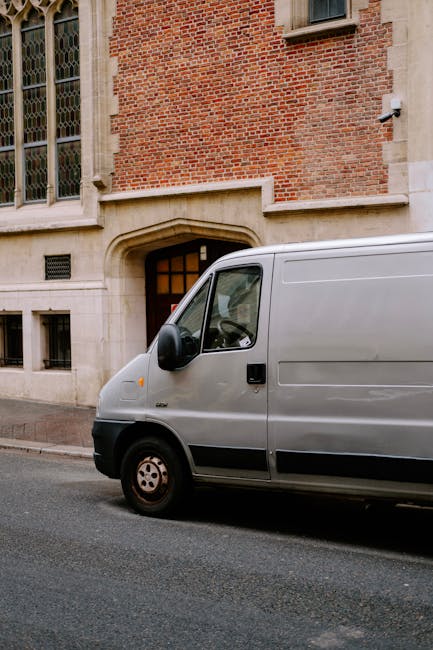
Wapping parking rules and fines for removals vans: a practical guide for safer, smoother moving days
If you are planning a move in Wapping, parking can make or break the day. Narrow streets, tight loading space, resident-only bays, yellow lines, and time pressure all add up fast. One small mistake with Wapping parking rules and fines for removals vans can turn an otherwise straightforward job into a stressful, expensive delay. And let's face it, nobody wants to start moving boxes while watching for a parking ticket warden in the rear-view mirror.
This guide explains how parking restrictions usually affect removals vans in Wapping, what the common risk points are, how fines tend to happen, and what you can do to reduce the chance of problems. It is written for real moving days, not just theory. You will also find a step-by-step plan, a practical checklist, and a few local examples that should help you think ahead with a bit more confidence.
Why Wapping parking rules and fines for removals vans matters
Wapping is not the sort of place where a removals van can just pull up anywhere and hope for the best. Street layouts can be narrow, parking can be tightly controlled, and the working space for loading is often limited. If a van stops in the wrong bay, stays longer than allowed, or blocks access in a way that breaches local restrictions, a fine can follow. Sometimes quickly.
For homeowners, tenants, students, and businesses, the issue is not only the penalty itself. It is the knock-on effect. A delayed lift-up, a second trip, a stressed building manager, and a crew that is now racing the clock. That is where costs grow. Even a small parking issue can ripple through the whole move, especially if heavy items need extra care or the building has awkward access.
For anyone using a man with a van in Wapping or arranging a full team through removal services in Wapping, parking planning is part of the job, not an afterthought. In our experience, the best moving days usually look boring from the outside: clear access, a short loading window, and everyone knowing exactly where the van can stop. Boring is good.
It also matters because parking problems can affect more than the van. They can affect your timing with lifts, concierge desks, loading bays, building permits, and neighbours who may need access too. In a busy riverside area, one van parked badly can create a chain reaction. Not ideal. Not at all.
How Wapping parking rules and fines for removals vans works
Parking control in Wapping is shaped by local restrictions, road markings, bay types, and the practical realities of moving in a dense part of London. While every street is different, removals vans usually need to think about four things: whether they are allowed to stop, how long they can stay, whether they are obstructing traffic, and whether any loading-only allowance applies.
Some streets allow short loading if done safely and legally. Others are more restrictive. Pay-and-display bays, resident bays, shared-use bays, and yellow line restrictions all come with different expectations. A removal vehicle may be larger than a standard car, which means it can be more visible and more likely to attract attention if parked badly. That does not mean it cannot be done. It just means it needs more care.
Fines usually happen when a van:
- stops where loading is not permitted
- overstays a limited waiting or loading window
- blocks a dropped kerb, junction, driveway, or pedestrian route
- parks in a bay reserved for residents or permit holders only
- stays in a restricted place while the crew is inside carrying items, but without a defensible loading reason
That last one catches people out more often than you'd think. The driver may assume that because they are moving furniture, everything is fine. But in practice, loading still has to fit the local rules and the vehicle still needs to be placed sensibly. A van left too far from the entrance can slow the whole move down, which creates pressure, and pressure tends to make people cut corners. That is usually how mistakes happen.
Local access is even more important around compact streets and busy routes near the river. If you are moving near narrow roads, you may find value in reading tips for moving on Wapping's narrow roads and parking advice for Wapping flats. They connect the parking question with the practicalities of getting boxes out on time.
Key benefits and practical advantages
Getting parking right does more than prevent a penalty. It helps the entire move feel calmer and more controlled. There is a real difference between a team that can unload in one clean sequence and a team forced to keep shuffling the van. If you have ever watched a move stall because someone had to dash back for the keys while the driver circles the block, you will know the feeling.
- Less risk of fines: the most obvious benefit, but also the one people underestimate until it happens.
- Faster loading and unloading: less walking distance from van to door means fewer trips and less fatigue.
- Better protection for items: fewer handovers and shorter carry times reduce the chance of bumps and scrapes.
- Lower stress: when the van is legally and sensibly positioned, everyone settles into the move more easily.
- More reliable timing: important if you have a lift booking, a concierge slot, or a same-day schedule.
There is also a commercial benefit. If you are comparing quotes from a few removals providers, a company that understands Wapping access properly may save you money indirectly by reducing delays and repeat parking changes. That is one reason why local experience matters. A slightly cheaper quote can become a more expensive day if the parking plan is weak. You know how that goes.
If you want to compare different moving support options, the wider service pages such as removals in Wapping and house removals in Wapping can help you think about the level of support you need. For some moves, a simple van hire is enough. For others, full handling and planning are worth every bit.
Who this is for and when it makes sense
This topic matters to almost anyone moving goods in or out of Wapping, but it is especially important for people moving at speed, moving bulky items, or dealing with restricted access. If the van is large, the items are awkward, or the building is fussy about arrival times, parking becomes a central part of the plan.
You will likely need this guidance if you are:
- moving from a flat with limited street access
- relocating furniture, white goods, or boxed household items
- arranging a student move with a tight timetable
- moving an office or small business where timing matters
- handling a same-day relocation where there is little room for error
- moving delicate or heavy items that need a close parking position
It is also relevant if you are moving things into storage, because storage runs often involve stop-start logistics, multiple pickups, and more loading than people expect. If that is your situation, a quick look at storage in Wapping and same-day removals in Wapping may help you map out the day better.
To be fair, not every move needs a complicated parking plan. A small van, an early start, and a quiet street can make life easier. But the moment you add volume, narrow access, or fixed time windows, it pays to think like a planner rather than a passenger. That shift alone can save a lot of faff.
Step-by-step guidance
Here is the simplest way to approach Wapping parking rules and fines for removals vans without overcomplicating it.
- Check the street conditions first. Look at the road layout, bay markings, and whether the property sits on a corner, a narrow lane, or a busier route.
- Think in loading time, not just parking space. A van might technically fit, but if it blocks the road or puts the crew too far from the entrance, it may not be worth it.
- Plan the load order. Put the heaviest and most awkward pieces near the door-side of the van, so they come out in the right order and without shuffling everything around.
- Keep documents and instructions ready. Building entry notes, flat numbers, phone contacts, and any relevant access details should be easy to reach.
- Assign one person to parking decisions. Too many opinions cause confusion. One driver or move lead should make the call.
- Use a realistic time buffer. Parking problems often come from rushing the first ten minutes. Leave space in the schedule so you are not forced into risky decisions.
- Re-check before leaving the vehicle. No half-remembered assumptions. Look again at signs, markings, and nearby restrictions.
A very normal scenario is this: a crew arrives, sees a gap that looks fine, and then notices a sign they missed from the cab. Suddenly the plan changes. If that sounds familiar, you are not alone. It happens because moving day brains are busy. The trick is to slow the parking decision down by a minute or two at the start, which feels small but often saves the entire afternoon.
If you are still in the planning stage, it helps to pair the parking plan with the packing plan. Articles like packing for a seamless relocation and decluttering before a move are genuinely useful because lighter, better-organised loads reduce on-street time. Less time parked. Less stress.
Expert tips for better results
Here are the kinds of small, practical choices that usually make the biggest difference. Nothing flashy. Just the habits that help a move run properly.
- Book the parking conversation early. Do not leave it until the morning of the move. Ask where the van should sit and how long it is likely to need.
- Use one loading point if possible. Fewer moves of the vehicle mean fewer chances to make a mistake.
- Measure awkward items against access, not just door width. A sofa can clear a doorway but still be a nightmare on a tight street if it needs repeated repositioning.
- Keep the van visible but sensible. A vehicle that is hidden awkwardly around a bend may look neat to the driver and terrible to everyone else. Street safety matters.
- Pack in a way that reduces hand-carry time. Good packing means fewer pauses at the back of the van and fewer trips around corners.
A small tip that sounds almost too obvious: if you are moving on a wet day, which in London is hardly rare, carry mats or coverings for entrances where appropriate. Slippery floors slow everything down and make building managers nervous. You do not want a conversation about damp footprints when you are already behind schedule.
For heavier or specialist loads, local knowledge becomes even more valuable. If you have piano, furniture, or awkward gear, read why pros matter for piano moving and furniture removals in Wapping. They are good reminders that the right equipment and positioning can matter more than brute strength.
Common mistakes to avoid
Parking penalties often come from a handful of repeat errors. The annoying part is that most of them are preventable.
- Assuming loading means unlimited stopping. It usually does not. Loading still needs to fit the location and restriction.
- Ignoring bay type. A permit bay is not the same as a loading area, and a loading area is not a free-for-all.
- Leaving the van too far from the entrance. People sometimes choose a spot that feels safer for parking but makes the move slower and riskier overall.
- Not reading temporary signs. Roadworks, suspensions, or event restrictions can change what looks possible on paper.
- Overlooking building rules. Some blocks have their own arrival instructions, access times, or concierge requirements.
- Trying to save time by winging it. That is how fines happen. A van on the wrong line for ten minutes can be a very expensive shortcut.
Another mistake is underestimating how much the weather, traffic, and human mood affect the day. People get flustered. Drivers become less patient. Someone swears they "just popped in for two minutes" and somehow that turns into twenty. We have all seen that movie.
For moves that involve stairs, awkward entrances, or bulky rubbish, it can help to review blocked staircase moving fixes and bulky waste removal alternatives. Both are useful if the parking problem is only one piece of a bigger access issue.
Tools, resources and recommendations
You do not need a complicated toolkit to handle parking well, but a few simple resources help a lot. Think of them as planning aids rather than magic fixes.
- Street-view style planning: use a visual check of the property frontage before move day so you are not guessing at curb space.
- Written move notes: keep access instructions, arrival times, and contact details in one place.
- Box labelling: clear labels reduce the number of unnecessary back-and-forth trips.
- Lift and access bookings: where relevant, book any building slots early and align them with van arrival.
- Short, direct communication: one person should be able to confirm the parking plan quickly if something changes.
If you are comparing providers, useful pages like man and van Wapping, removal van Wapping, and removal companies in Wapping can help you understand the type of help available. It is not just about transport. It is about judgement, timing, and whether the operator understands local access conditions.
If you are after a more service-led overview, services overview and pricing and quotes are good places to compare what is included. That matters because parking problems are sometimes hidden inside broader moving costs rather than listed separately.
Law, compliance, standards and best practice
Parking rules in London are enforced through local traffic controls, signage, and standard road restrictions. The exact position can vary by street, time of day, bay type, and temporary conditions. Because of that, it is wise to treat any move in Wapping as a local compliance job as much as a transport job. A driver may know the van. The driver still has to respect the signs.
Best practice is usually straightforward:
- follow posted restrictions as they appear on the street
- avoid blocking traffic, dropped kerbs, or pedestrian access
- keep loading as efficient as possible
- check for temporary changes before the move
- be prepared to adapt if a stop is clearly unsafe or unlawful
That is the simple version. The more careful version is to remember that enforcement can happen quickly, and the responsibility is not removed just because the vehicle is a removals van. A moving job is not a blanket exemption. If anything, local authorities tend to expect professional movers to behave responsibly and minimise disruption.
At the same time, there is a practical standard worth following even when no formal permit is involved: keep the vehicle as close as sensibly possible, communicate clearly with neighbours or building staff, and avoid turning a narrow street into a bottleneck. It is polite, it is efficient, and it reduces the chance of an avoidable fine. A rare win-win.
Options, methods, or comparison table
When planning a move in Wapping, there are usually a few ways to handle loading and parking. The right choice depends on the property, the amount of furniture, and how long the van needs to stay nearby.
| Method | Best for | Pros | Watch-outs |
|---|---|---|---|
| Short curbside loading | Small to medium moves with quick turnaround | Fast, simple, often the least disruptive | Only works if local restrictions allow it and loading is genuinely brief |
| Pre-planned bay parking | Moves where the van can legally sit in a marked bay | More stable access, less shuffling | Needs careful checking of bay type and time limits |
| Building-managed access | Flats, managed blocks, and developments with concierge support | Structured entry, fewer surprises | Requires good communication and correct arrival timing |
| Two-stage loading | Heavier or more complex moves | Useful when direct access is limited | Can take longer and needs tighter coordination |
In practice, the best method is the one that keeps the move lawful and calm, not the one that looks fastest on paper. A short walk from van to door may feel annoying, but it is usually better than risking a penalty by squeezing into a bad spot. Truth be told, "fast" and "careless" are cousins on moving day.
Case study or real-world example
Imagine a typical flat move in Wapping on a weekday morning. The occupant has boxes, a sofa, a bed frame, and a couple of bulky items that need careful handling. The first instinct is to pull the van as close as possible to the entrance. But the street is tight, there is resident parking nearby, and the building entrance sits in a line of parked cars.
Instead of forcing the issue, the mover checks for the nearest safe stopping point, confirms the access sequence, and keeps the load order in the van tight and efficient. The team carries the heaviest items first, then boxes, then smaller loose items. The van stays within a sensible window, the move stays calm, and nobody has to make a last-minute dash because a parking situation went sideways.
Now compare that with the rushed version. The van stops in the first gap that looks available, but it is too close to a restriction line. The crew starts unloading anyway. A ticket appears, the driver has to move the vehicle, and the sofa now has to wait in the hallway while the clock runs. Not catastrophic, but annoying, costly, and entirely avoidable.
That is the real lesson. Good parking planning is not glamorous, yet it protects the whole move. When the driver, the crew, and the building all understand the plan, everything feels easier. The front door opens, the boxes flow, and the day keeps moving.
Practical checklist
Use this checklist the day before and again on the morning of the move.
- Confirm the exact moving address and entrance point
- Check whether the road has resident bays, yellow lines, or loading restrictions
- Review any building arrival instructions or access windows
- Prepare a clear load order for furniture and boxes
- Make sure the driver knows where to stop and who will guide them if needed
- Keep phone numbers handy for the property contact and the move lead
- Pack items so the first unloads are easy to reach
- Allow extra time for parking and short repositioning delays
- Watch for temporary signs, cones, or roadworks near the property
- Do one final walk-around before leaving the van unattended
Quick expert summary: if the parking plan is vague, the move will feel vague. If the parking plan is specific, the whole day tends to settle down. That is why local removals jobs in Wapping work best when parking is treated as part of the job brief, not a side issue.
If you want to keep the rest of the move tidy as well, consider reading about reducing moving anxiety and pre-move-out cleaning. A calmer move usually starts with fewer loose ends overall.
Conclusion
Wapping parking rules and fines for removals vans are not something to leave until the last minute. The streets are too tight, the restrictions are too easy to miss, and the cost of a small mistake is usually larger than people expect. The good news is that most issues can be avoided with sensible planning, careful loading, and a van position that is both legal and practical.
Whether you are moving a flat, handling a family house move, or shifting furniture into storage, the same principle applies: get the parking plan right and the rest becomes much easier. One good decision at the kerb can save you a lot of hassle inside the property. Simple as that.
If you are comparing your options or just want a moving day that feels more organised, it may help to learn more about the team behind the service through about us and then choose the level of support that suits your move. And if you are still weighing up what to do next, keep it calm, keep it practical, and give yourself a bit of breathing room. That little bit of planning goes a long way.
Get a free quote today and see how much you can save.
Frequently Asked Questions
Can a removals van stop in Wapping for loading?
Sometimes, yes, but only if the street restrictions allow it and the loading is done safely and efficiently. The exact position depends on the bay type, road markings, and any temporary restrictions on the day.
What happens if a removals van gets a parking fine in Wapping?
The fine usually needs to be dealt with through the normal enforcement process. It can also delay the move and add stress, which is why checking the parking plan in advance is so important.
Do I need a permit for a removals van in Wapping?
Not every move needs a permit, but some parking situations may involve controlled bays or building-specific access arrangements. It is best to check the exact street conditions and any property rules before the move.
Can I just use hazard lights while loading?
No. Hazard lights do not make an illegal stop legal. They are not a get-out-of-jail card, despite what a few overconfident drivers might hope.
How long can a removals van stay parked while loading?
That depends on the location and the rules that apply there. The key is to keep loading as quick and orderly as possible and avoid overstaying any loading allowance.
Are Wapping streets difficult for larger removal vans?
They can be, yes. Narrow roads and limited turning space mean larger vehicles need more planning. A smaller van or staged loading approach may work better for some properties.
What is the best time of day to move in Wapping?
There is no universal answer, but quieter periods often make parking and loading easier. Early starts can help, provided they fit local rules and building access times.
Should I tell the removals company about parking restrictions?
Absolutely. The more the mover knows in advance, the easier it is to plan a sensible route, loading position, and vehicle size. This one detail can save a lot of trouble.
What if my building has no proper loading area?
Then the move needs careful street planning and maybe a different loading method. In some cases, a short carry from a lawful parking position is better than trying to force a van into a poor spot.
How can I reduce the chance of a parking ticket during a move?
Check the signage, plan the load order, keep the stop as short as possible, and make sure the driver understands the exact access plan. A calm, specific plan beats guesswork every time.
Do parking rules matter for student moves and small van jobs too?
Yes. Even smaller jobs can trigger fines if the van is left in the wrong place. The size of the move does not change the need to respect the street restrictions.
Where can I get help with a Wapping move that includes parking concerns?
You can look at the wider moving service pages and compare what level of help you need. If your move is urgent, narrow, or involves awkward access, a team familiar with local conditions is usually the safest choice.