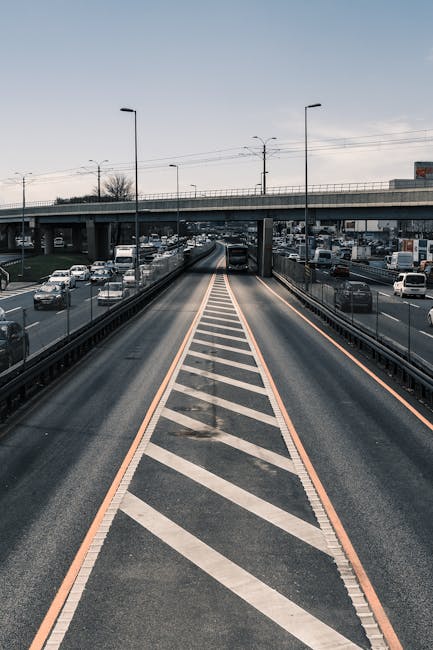
The Highway to Wapping Lane: Moving Tips for Narrow Roads
If you have ever tried to move a house on a narrow road, you already know the problem is not just "getting a van there." It is the squeeze, the timing, the awkward angle of the kerb, the parked cars that turn a straightforward job into a careful one, and the fact that everyone on the street seems to need access at the exact same moment. The Highway to Wapping Lane: Moving Tips for Narrow Roads is really about planning a move where space is limited and mistakes become expensive fast.
This guide breaks down how to approach narrow-road moves with less stress and more control. You will learn what matters before moving day, how to work safely around tight access, which tools and packing choices actually help, and when it makes sense to bring in professional support. If you are moving into or out of a property on a road with constrained access, this is the kind of preparation that saves time, protects your belongings, and keeps the day moving.
Why The Highway to Wapping Lane: Moving Tips for Narrow Roads Matters
Narrow roads change the whole shape of a move. On a normal street, a removal van can often stop close to the front door, unload steadily, and keep the team working efficiently. On a tight road, every part of that process becomes more delicate. You may have less room to park, less room to turn, less room to carry items safely, and less tolerance for delays from neighbours, delivery vehicles, or passing traffic.
That matters for three reasons. First, safety: movers need clear footing, stable routes, and enough space to handle bulky items without twisting awkwardly. Second, property protection: narrow access often means more doorframe scrapes, wall bumps, or corner knocks if items are rushed. Third, time: what looks like a short move can take far longer if you have to shuttle items from a van parked down the road. A little planning prevents the kind of day where everyone ends up apologising to each other and the sofa loses the argument.
This is also where local knowledge helps. In busy or densely built areas, a narrow lane can affect not just loading and unloading but also route choice, arrival timing, and whether a larger vehicle is even practical. If you are comparing move options, a page like man with a van in Wallington or a broader removal services overview can be useful for understanding the kind of setup that suits tighter access.
How The Highway to Wapping Lane: Moving Tips for Narrow Roads Works
The basic idea is simple: reduce friction before moving day so the team can operate inside the limits of the street rather than fighting them. A narrow-road move works best when you think in layers.
1. Access first, items second
Before you pack the first box, assess the street. Can a van park close enough to the entrance? Is there a bend that limits vehicle size? Are there height restrictions, tight corners, or a school run that will block access at peak times? These are not minor details; they are the conditions that decide whether your move flows or stalls.
2. Keep the route short and clear
Measure the carrying route from property to van. Even a few extra metres matter when you are moving a wardrobe, mattress, or stacked boxes. Remove bins, loose planters, small bikes, and anything else that narrows the path. If you are moving from a flat, shared entrance, or upper floor, the route from hallway to vehicle needs just as much attention as the street outside. For those situations, flat removals in Wallington can be a helpful service page to review.
3. Load in the right order
The van should not be packed randomly. Heavy, stable items go in first. Fragile pieces are protected and placed where they will not shift. Bulky items should be positioned so they can be removed without unpacking half the vehicle. This is especially important on narrow roads, where every extra trip back and forth is more effort than it needs to be.
4. Use the street, not against it
Sometimes the best solution is not forcing the van as close as possible, but choosing a safe stopping point and creating a sensible hand-carry plan. That might mean using two people for a relay of boxes, a trolley for heavier items, or moving in phases. The aim is steady progress, not dramatic heroics.
Key Benefits and Practical Advantages
Getting narrow-road logistics right does more than protect your furniture. It improves the entire moving experience.
- Less damage risk: Fewer tight turns and rushed lifts means fewer knocks to walls, doors, and furniture corners.
- Better time control: A planned access route cuts down on delays and makes the day more predictable.
- Lower physical strain: Shorter carry distances and smarter load sequencing reduce fatigue.
- Improved neighbour relations: Less blocking, fewer awkward manoeuvres, and less disruption keep the street calmer.
- More flexible vehicle choice: When you know the road constraints, you can choose the right van size instead of guessing.
For valuable or awkward items, this planning also protects your peace of mind. A piano, for example, is not something you want to wrestle around a tight corner because someone assumed "it should fit." If you are moving heavier pieces, the advice in essential tips for solo lifting of heavy objects and how kinetic lifting improves efficiency and safety explains why technique matters just as much as strength.
Practical summary: narrow-road moves reward preparation more than brute force. If you get the access, packing, and carrying plan right, the rest becomes much more manageable.
Who This Is For and When It Makes Sense
This approach is relevant any time your move involves limited road width, restricted parking, or awkward entry points. That includes terraced streets, older residential lanes, cul-de-sacs with tight corners, and places where delivery vehicles regularly struggle to stop safely.
It is especially useful for:
- homeowners and tenants moving from streets with parked cars on both sides
- flat movers dealing with shared entrances or limited loading space
- students moving in or out of compact properties
- families with larger furniture and mixed box loads
- anyone needing a same-day turnaround on a difficult access route
If you are moving a single sofa, a mattress, or one or two bulky pieces, the road constraints still matter. In that case, relevant guides such as moving a mattress without damage and storage techniques for sofas can help you protect items that are difficult to manoeuvre in tight spaces.
It also makes sense when you are unsure whether to book a full removals team or a smaller van-based service. Narrow roads often favour flexibility, but only if the service you choose can handle the practical realities on arrival.
Step-by-Step Guidance
Here is a clear way to prepare for a move on a narrow road without turning the process into chaos.
Step 1: Survey the access in person
Walk the route from the property to the street. Look for bottlenecks, steps, low walls, kerbs, gate widths, sharp corners, and any surface that could become slippery in rain. If the road is often busy, note the times when parking or loading is easiest.
Step 2: Measure the largest items
Take the dimensions of your biggest furniture pieces and compare them with doorways, hallways, stair turns, and any external pinch points. A few minutes with a tape measure can save a lot of guesswork. This is especially useful for wardrobes, beds, sofas, and appliances.
Step 3: Declutter before packing
Do not pay to move things you no longer need. Narrow-road moves benefit hugely from lighter loads because they reduce the number of trips and free up van space. If you want to reduce volume before moving day, transform your home by decluttering before you relocate offers practical ideas that are easy to apply.
Step 4: Pack by priority and fragility
Label boxes by room and by handling needs. Mark fragile boxes clearly, keep essentials separate, and avoid overfilling containers. Good packing is not glamorous, but it is one of the biggest differences between a move that feels organised and one that feels like a game of Tetris with worse consequences. A useful companion guide is proven packing methods for a hassle-free move.
Step 5: Choose the right vehicle strategy
If the road is too narrow for a large van to sit comfortably outside, consider whether a smaller vehicle, staggered arrival, or short shuttle plan will work better. A narrow access road should shape the plan, not be treated as an afterthought.
Step 6: Reserve a safe loading zone
Where possible, identify the closest sensible loading point and make sure it is kept clear. If you are using a professional service, share photos in advance. That gives the team a far better understanding than a vague "it's a bit tight, but should be fine" message. Truth be told, that phrase rarely ages well on moving day.
Step 7: Move in a controlled sequence
Start with the items most likely to block access if they are left until later. Keep hallways, entrances, and stairwells uncluttered. On a narrow road, the move often goes best when the outside and inside routes are managed together, not separately.
Expert Tips for Better Results
The difference between a workable move and a stressful one is often found in the details.
- Time the arrival carefully: early morning can be quieter, but only if local parking and access conditions actually make that sensible.
- Use protective materials generously: door protectors, blankets, and wrap are cheaper than repairing chips and scuffs later.
- Keep one person on traffic watch: when a street is tight, someone should always be ready to pause the carry if a vehicle needs to pass.
- Load the van with removal order in mind: what comes out first should be easiest to reach.
- Don't let small items slow the whole job: keep frequently needed essentials separate so you are not hunting through labelled boxes later.
If you are using a professional team, talk openly about access before booking. Services such as furniture removals and house removals are most effective when the access reality is clear from the start.
You may also want to ask about protection for specific high-risk items. For example, a piano move should never be treated like a standard box-and-sofa job. The article on professional piano movers is a good reminder that specialist handling is often the wiser route.
Common Mistakes to Avoid
Narrow-road moves fail for predictable reasons. The good news is that most of them are avoidable.
Underestimating the vehicle size
People often book a van that sounds convenient on paper but becomes awkward once it arrives. A vehicle that is too large can block the road, strain turning space, and create unnecessary pressure on loading time.
Ignoring local parking realities
Even if the road itself is passable, nearby parking restrictions can affect the plan. Do not assume there will be space available just because there looked to be room the day before.
Leaving bulky items until last
If a sofa or mattress is still inside while the van is nearly loaded, you may end up forcing awkward carries through a narrowing path. That is where scuffs, strain, and frustration tend to show up.
Packing with no thought for carry order
Boxes that are packed by room but not by weight can become a problem when the carry route is long or uneven. Heavy items should be distributed sensibly, not clustered into one impossible load.
Failing to protect the route
People remember to wrap the table and forget the hallway wall. In a narrow property or road, route protection is part of the job, not an optional extra.
Not asking for help early enough
By the time you realise the move needs a stronger plan, the moving day clock is already running. If access looks tight, it is far better to solve that in advance than to improvise under pressure.
Tools, Resources and Recommendations
A narrow-road move becomes easier when you have the right support items and a sensible service plan.
| Tool or resource | What it helps with | Best used when |
|---|---|---|
| Furniture blankets | Protects walls, doors, and furniture surfaces | Moving bulky items through tight indoor routes |
| Straps and trolleys | Improves control for heavier loads | Handling boxes, appliances, and awkward items |
| Strong labels and markers | Keeps box handling organised | Multiple rooms or phased unloading |
| Floor and corner protection | Reduces damage in narrow hallways | Shared entrances, flats, and older homes |
| Photo-based access briefing | Helps a removals team assess the street in advance | Tight roads, limited parking, or unusual entry points |
For packing support, the dedicated packing and boxes page is worth a look. If you need short-term space to stage items before or after moving day, storage options in Wallington can also make a tight-access move easier to manage.
And if timing is the issue, not just access, a same-day solution can sometimes reduce the stress of waiting around with everything boxed and nowhere to put it. In those cases, same-day removals may be worth considering.
Law, Compliance, Standards, or Best Practice
For most domestic moves, the main considerations are practical rather than legal, but there are still standards worth following. Loading in a way that blocks traffic, creates unsafe obstruction, or leaves hazards on the pavement can cause problems, so the guiding principle should always be safe, courteous, and lawful access.
If a van needs to wait on a public road, the driver should follow local parking rules and avoid assumptions about what is "fine for a minute." In many areas, that is exactly how tickets happen. If access is unusually tight, it may be sensible to speak with the removals provider in advance so they can advise on the most appropriate vehicle and loading approach.
Good practice also includes clear communication with neighbours or building management where relevant, especially for flats, managed properties, or shared entrances. If you are moving fragile, valuable, or specialist items, ask whether the service provider has a documented approach to safety and care. Pages such as insurance and safety and health and safety policy are useful because they show how a company approaches risk rather than leaving you to guess.
Finally, if you are comparing providers, look for transparent pricing, clear terms, and proper contact routes. That is often a better sign than a flashy promise and no detail. You can review pricing and quotes or go straight to contact the team if you need direct advice on a narrow-road job.
Options, Methods, or Comparison Table
There is more than one way to handle a move on a narrow road. The best option depends on access, item volume, and how much support you need.
| Method | Best for | Strengths | Trade-offs |
|---|---|---|---|
| DIY with a hired van | Small moves, good access, limited furniture | Lower upfront cost, flexible timing | Higher physical effort, more planning burden, greater risk if access is tight |
| Man and van service | One-bedroom moves, partial loads, flexible access | Efficient, scalable, easier for narrow streets | May not suit larger household volumes |
| Full removals team | Family homes, bulky furniture, more complex access | More hands, better route management, stronger handling support | Usually more expensive than minimal DIY |
| Staged move with storage | Renovations, delayed handovers, space constraints | Reduces pressure on moving day and eases access issues | Requires extra planning and coordination |
If you are not sure which route fits, a quick review of man and van services, removal van options, and local removal companies can help you compare the level of support you are likely to need.
Case Study or Real-World Example
Imagine a move from a first-floor flat on a narrow residential road with parking on both sides. The occupier has a double mattress, a sofa, two bookcases, kitchen boxes, and a small dining table. At first glance, it sounds manageable. In practice, the road outside only allows short stopping time, and the stairwell turns sharply at the top landing.
The successful version of this move starts two days earlier. The largest pieces are measured, the route is cleared, and non-essential items are decluttered. The team arrives with protective covers, a trolley, and a plan for loading bulky items first. The van is parked at the nearest safe point rather than trying to squeeze into a space that would block the street. One person stays aware of passing traffic while another keeps the indoor route clear. The sofa is wrapped before it moves, and the mattress is handled in a way that avoids bending or dragging.
The result is not dramatic. That is the point. The move finishes without damage, without neighbour complaints, and without a last-minute scramble. The best narrow-road moves usually look calm from the outside because the hard work happened before anyone picked up a box.
If this sounds familiar, the best next step may be a service built around access constraints rather than a generic moving package. For smaller, flexible jobs, a focused man with a van in Wapping style service can be useful for comparison if you are looking at nearby-area options, while a dedicated house removals service may fit larger loads better.
Practical Checklist
Use this checklist before moving day to keep the process under control.
- Measure the largest furniture items and the tightest access points.
- Check parking, turning space, and likely road congestion.
- Confirm the most practical vehicle size for the street.
- Declutter and remove items you do not need to move.
- Pack boxes by room and label fragile items clearly.
- Protect floors, corners, doors, and narrow hallways.
- Prepare a clear loading path from property to vehicle.
- Keep essentials separate for immediate access after arrival.
- Share access photos with the removals provider if needed.
- Confirm contact details, timing, and any special handling instructions.
For a fuller pre-move routine, it is also worth reviewing successful house cleaning before relocation so the handover or arrival phase is not made harder by avoidable mess.
Expert takeaway: narrow-road moves are won by planning, not by rushing. The best outcome is usually the one where the load feels smaller because the access plan is smarter.
Conclusion
Moving on a narrow road asks for a different mindset. Instead of treating the street as a minor detail, you need to treat it as one of the main parts of the job. That means checking access early, packing with carry distance in mind, choosing the right vehicle, and protecting both the property and the people doing the lifting.
Handled well, even a tight road can be manageable. Handled badly, it can swallow time, energy, and patience very quickly. The good news is that most of the risk is predictable, which means most of it is preventable. If you plan carefully and choose the right support, your move can stay controlled from the first box to the last.
Get a free quote today and see how much you can save.
If you are ready to talk through access concerns or want a service recommendation for a tight street, the simplest next step is to get in touch here and share the details of your move.
Frequently Asked Questions
How do you move a house on a narrow road without blocking traffic?
Plan the loading point in advance, use a vehicle that fits the street safely, and keep carry routes short. If necessary, use a short shuttle method or staggered unloading so the van is not parked awkwardly for long periods.
What size van is best for narrow roads?
Smaller or medium vans often work better where parking and turning space are limited, but the right choice depends on the volume of items and how close the vehicle can get to the property. A slightly smaller van can be more efficient than a large one that cannot manoeuvre properly.
Should I book a man and van service for a tight street?
Often, yes. A flexible man and van arrangement can be a practical choice for limited access, especially if you are not moving a full house. It gives you more control over timing and vehicle size.
What should I do if my sofa or mattress will not fit easily through the route?
Measure the path before moving day and protect corners and doorframes. If the item is still awkward, do not force it. Specialist guidance from pages like the sofa storage and mattress moving articles can help you decide whether disassembly or extra support is the safer option.
How early should I plan a move on a narrow road?
As early as possible. A quick access check a few days ahead is much better than discovering on the day that the van cannot stop where you expected. Early planning also helps if you need to book a smaller vehicle or extra hands.
Are narrow-road moves more expensive?
They can be, depending on access difficulty, carrying distance, item size, and the time required. Some moves stay straightforward, while others need extra labour or a different vehicle strategy. The best way to know is to ask for a clear quote.
What items are hardest to move on a narrow road?
Large sofas, wardrobes, mattresses, pianos, and appliances tend to be the trickiest because they need more space, more control, or both. Bulky items are where access planning really pays off.
Can I handle a narrow-road move myself?
Yes, if the load is small, the access is manageable, and you are comfortable with the lifting involved. But if the street is especially tight, the furniture is heavy, or the property has difficult stairs, professional help is usually the wiser route.
Do I need to tell the removals company about road restrictions?
Absolutely. Clear access details help them choose the right vehicle and plan the timing. Photos, measurements, and a quick note about parking are often more useful than a general description.
What is the safest way to carry boxes from a van parked down the road?
Keep boxes at a sensible weight, use a trolley where appropriate, and create a steady hand-carry chain if the distance is long. Avoid overloading any one person, especially on uneven pavement or in poor weather.
Is it worth using storage if the narrow access makes moving day difficult?
It can be. Storage is useful if you need to reduce volume, stage the move in phases, or wait for a handover. In a tight-access situation, less on the day often means less stress.
How do I choose between a local removal company and a smaller van service?
Think about load size, access, and how much hands-on help you need. A smaller van service is often better for compact moves, while a fuller removals team is usually the better fit when you have large furniture, stairs, or awkward entry points.