Prospect of Whitby pickups man with a van in Wapping
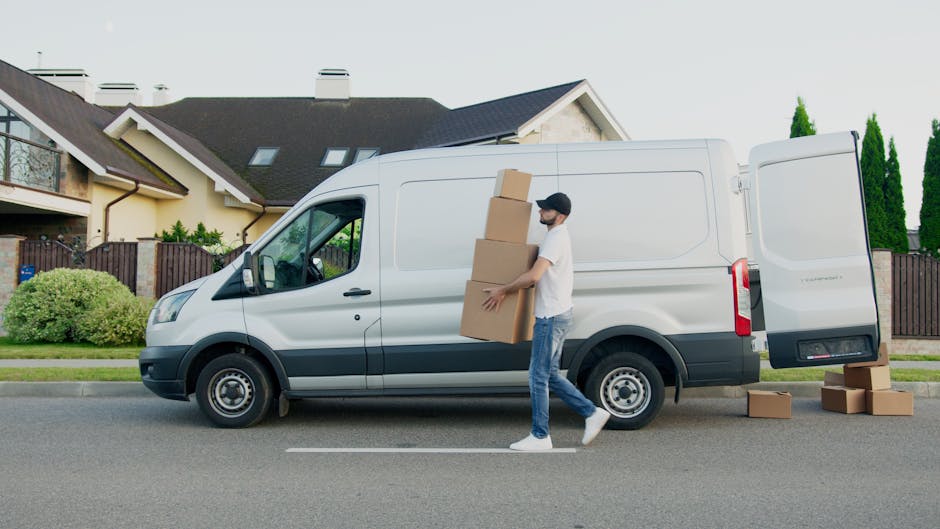
If you are arranging Prospect of Whitby pickups man with a van in Wapping, you are probably after something simple on the surface: a careful pickup, a sensible route, and a van that turns up when it should. In reality, the job often needs a bit more thought than that. Narrow streets, awkward loading points, time windows, stairs, and the sheer unpredictability of London traffic can all change a straightforward collection into a bit of a puzzle.
This guide breaks down how a man and van service can help with pickups around the Prospect of Whitby area, what to expect, and how to avoid the usual headaches. It also covers local access issues, pricing considerations, best practices, and the small details that make a pickup go smoothly. Truth be told, those little details are usually what separate a calm move from a stressful one.
Whether you are collecting furniture, a marketplace purchase, a bulky household item, or several pieces that need careful handling, the aim is the same: get everything moved safely, efficiently, and without nasty surprises.
Practical takeaway: the best pickups are planned around access, timing, and item size first - not just the van itself.
- Why this local pickup service matters
- How the pickup process works
- Benefits and practical advantages
- Who it is for
- Step-by-step guidance
- Expert tips for a smoother job
- Mistakes to avoid
- Useful tools and related services
- Compliance and best practice
- Options and comparison table
- Real-world example
- Checklist
- Frequently asked questions
Why Prospect of Whitby pickups man with a van in Wapping Matters
Wapping is one of those parts of London where a pickup can look easy on a map and then become tricky once you are actually there. Streets can be tight, parking can be limited, and building access is often less forgiving than people expect. If the pickup involves larger items, basement storage, upper-floor flats, or awkward loading, a local man with a van service becomes more than just transport - it becomes problem-solving on wheels.
The Prospect of Whitby name matters here because local familiarity counts. A driver who knows Wapping, the surrounding lanes, and the general rhythm of the area will usually plan better for parking, loading, and timing. That can save you waiting around with a sofa in the hallway or a dining table balanced on a trolley while everyone wonders who is going to make the next move. We have all seen that scene.
There is also a trust element. A proper pickup service should be able to handle the item with care, communicate clearly, and give you realistic expectations. Not "we'll be there soon" forever. You want a service that understands that a pickup is not just a quick favour; it is part of a wider moving chain, often tied to landlords, sellers, buyers, or delivery windows.
In a busy neighbourhood like Wapping, timing matters more than people think. Morning school traffic, lunchtime congestion, river-side activity, and general London unpredictability can all affect a collection. So the local pickup service matters because it helps reduce friction at the exact point where most moves start to wobble.
How Prospect of Whitby pickups man with a van in Wapping Works
At a practical level, the process is usually straightforward, but the good providers make it feel organised rather than rushed. You share what needs collecting, where it is located, and any access details. That might sound obvious, but the difference between "one sofa" and "one sofa from a third-floor flat with no lift" is enormous. The more accurate the brief, the smoother the job.
Most pickup jobs follow a simple pattern:
- Initial enquiry: You explain the item or items, collection point, destination if needed, and any access constraints.
- Quote and availability: The mover estimates the time, vehicle size, and labour required.
- Preparation: You make sure the item is ready, available, and safely accessible.
- Arrival and loading: The van arrives, the item is moved carefully, and the route is checked if required.
- Delivery or drop-off: The item is transported to the destination and unloaded in the right place.
Some jobs are little more than a point-to-point collection. Others need wrapping, dismantling, or extra lifting help. A man with a van service is often chosen because it sits in the middle ground between a courier and a full removal crew. That makes it ideal for items that are too big for a car but do not justify a full-scale removals operation.
For larger or more complex loads, you may find that related services like removal services or a broader removals booking make more sense. The point is not to oversell the simplest option. The right option is the one that fits the item, access, and timing.
A good operator will also talk you through practical questions: Can the van park outside? Is there a loading restriction? Does the item need two people? Can it fit through the doorway or stairwell? That sort of thing. Boring perhaps, but vital.
Key Benefits and Practical Advantages
There are several reasons people choose a local pickup service rather than trying to manage everything themselves. Some are obvious, others only become clear after one difficult move in the rain at 6pm.
- Better handling: Heavy or awkward items are less likely to be damaged when handled by someone used to moving them.
- Local efficiency: A Wapping-based or Wapping-familiar service can plan around access issues more effectively.
- Less stress: You are not trying to rent a van, recruit helpers, and guess your way through London streets at the same time.
- Time savings: Pickups can usually be completed faster when the vehicle, labour, and route are already sorted.
- Flexible support: A pickup might involve dismantling, wrapping, loading, or a second stop.
There is also a practical financial angle. If you only need a single item or a small load moved, a man and van arrangement can be far more sensible than booking a full house move. You pay for the capacity and labour you need, not for half a lorry sitting half-empty. Sounds obvious, but people still do it the expensive way all the time.
Another benefit is adaptability. Suppose a seller is waiting with a sofa, but the lift in the building is out of order. Or perhaps the pickup point turns out to be on a narrow road near the river where stopping is awkward. A flexible mover can adjust on the spot and keep the job moving. That is worth a lot when the clock is ticking.
| Option | Best for | Typical strengths | Possible drawbacks |
|---|---|---|---|
| Man with a van | Single items, small loads, local pickups | Flexible, efficient, cost-conscious | May not suit very large or multi-room moves |
| Courier delivery | Smaller boxed items | Good for parcels and lighter goods | Not ideal for furniture or heavy items |
| Full removal crew | Large home or office moves | More manpower, more equipment | Can be more than you need for a pickup |
Who This Is For and When It Makes Sense
This service suits a surprisingly wide range of people. If you are thinking, "It is just one item, surely I can sort it myself," maybe. But maybe not, especially if it is heavy, awkward, or time-sensitive.
It is often the right choice for:
- people collecting furniture bought online or from a private seller
- tenants moving a few key items between flats
- landlords or letting agents arranging collections
- students or young professionals without a vehicle
- small business owners collecting stock, fittings, or displays
- households clearing out bulky pieces before a bigger move
It also makes sense if the item is too bulky for a standard car, too valuable to risk in a rushed DIY effort, or too awkward to carry without help. Think wardrobes, desks, mattresses, sideboards, office chairs, white goods, and similar pieces. A mattress is one of those items that looks harmless right up until you try to manoeuvre it down a narrow staircase. Then the whole room feels too small by about three feet.
If your pickup is part of a bigger move, it may connect neatly with home moves or man and van removals. If it is for a business, the more relevant fit may be commercial moves or office removals.
And sometimes the honest answer is: the pickup makes sense only if access is workable. If the road is blocked, the item is too large for the stairwell, or the timing is too tight, a different plan may be better. That is not a failure. It is just sensible planning.
Step-by-Step Guidance
If you want the job to go smoothly, treat the pickup like a mini-project. Not a drama. Just a little project with a clear outcome.
- Measure everything. Check the item size, doorway width, stair turns, and the van space needed. Guessing here is where people come unstuck.
- Share the access details. Tell the mover about parking, flats, lifts, narrow roads, or restricted hours.
- Confirm the load. Be specific about quantity. "A few bits" can mean very different things to different people.
- Prepare the item. Remove loose parts, empty drawers, and secure fragile surfaces if needed.
- Protect the route. If you are moving through a home or business, clear the path and move trip hazards out of the way.
- Check timing. London pickups often work better when you build in a small buffer. Ten or fifteen minutes can save a lot of stress.
- Keep contact available. If the driver is navigating a tricky street or waiting for access, quick communication helps.
A realistic example? You buy a second-hand bookcase near Wapping and need it moved to a flat nearby. On paper, it is a simple local pickup. In practice, the seller can only meet after work, parking is limited, and the bookcase is heavier than expected because, well, solid wood always is. A local man and van service can absorb that complexity without turning the evening into a small expedition.
If you are booking a service for the first time, ask for clarity on the quote: does it include loading, unloading, waiting time, and any extra help? That one question saves a lot of awkwardness later.
Expert Tips for Better Results
After enough pickups, you start to notice what makes the difference. It is usually not about being fancy. It is about being prepared in a few very ordinary ways.
- Photograph the item first. A couple of clear photos help with quoting and with planning how to carry it.
- Be honest about weight. If you think it is heavy, say so. If it feels awkward, say that too.
- Plan around access, not just distance. A short journey through poor access can take longer than a longer journey with easy loading.
- Use proper protection. Blankets, straps, and wrapping reduce damage risks, especially on polished furniture or glass items.
- Book a little earlier than you think. Same-day jobs can work, but availability gets tighter when everyone else has had the same idea.
One small but useful trick: if you are collecting from a seller, send the mover the exact pickup location and a contact name for the handover. The fewer "is this the right entrance?" moments, the better.
Another one. If the item needs dismantling, do not leave it until the van has already arrived. That is how a tidy two-person job turns into a mildly chaotic furniture puzzle.
For delicate or specialist items, it may also help to use supporting services such as furniture pick up, packing and unpacking services, or even the right type of vehicle such as a moving van or removal van. Choosing the right fit is usually what makes the job feel professional rather than improvised.
Common Mistakes to Avoid
A lot of pickup problems are preventable. Not all of them, of course. London still likes to be London. But many of the common issues can be avoided with a bit of decent planning.
- Underestimating item size: Measure properly. Don't eyeball a sofa and hope for the best.
- Forgetting access details: A loading bay, stairs, narrow entrance, or parking restriction can change the whole job.
- Booking too tightly: If you set the collection and delivery too close together, there is no breathing room.
- Not checking what is included: Some quotes include labour and loading; others may not. Ask.
- Ignoring packaging: Glass, mirrors, electronics, and soft furnishings benefit from proper protection.
- Assuming every van can handle every job: Vehicle size matters more than people think.
Another mistake is treating a pickup like a race. Faster is not always better. Careful is better. The odd scratched corner, bent leg, or chipped edge can cost more to repair than the pickup did in the first place. Bit grim, but true.
And then there is the classic one: not being ready when the van arrives. Ten minutes can be a lot when the driver is parked legally on a tight street and the meter is ticking. Have the item ready if you can.
Tools, Resources and Recommendations
You do not need specialist kit for every pickup, but a few practical tools make life easier. The right setup depends on the item, the access, and how much handling is involved.
- Measuring tape: Essential for doors, stair turns, and the item itself.
- Furniture blankets: Useful for protecting finishes and reducing scuffs.
- Straps or ties: Helpful for safe loading inside the van.
- Gloves: Handy for grip and for rougher items.
- Trolley or sack truck: Great for boxes, appliances, and heavier loads where access allows.
- Protective wrap: Good for mirrors, tabletops, and fragile surfaces.
If you are comparing service types, it can help to understand the difference between a general mover and a specialist job. A removals near me search may be useful if you need broader support, while removal company or removal companies may be more suitable for larger projects. For a one-off pickup, though, the simpler man and van option is often enough.
It can also be worth checking practical support pages on the provider's site before you book. For example, a clear pricing and quotes page can help you understand how jobs are priced, while insurance and safety information helps you judge how the business handles risk. Small detail, yes. Important detail, absolutely.
If sustainability matters to you, ask how unwanted items, packaging, or reusable materials are dealt with. Some customers prefer a pickup service that thinks about reuse and responsible disposal. That is where recycling and sustainability can become relevant, especially for mixed loads or furniture clear-outs.
Law, Compliance, Standards, or Best Practice
For most pickup jobs, the key compliance issues are practical rather than complicated. You are mainly looking at safe handling, lawful parking, responsible disposal where relevant, and transparent business practices. No one wants a pickup that creates another problem on the way out.
Here are the main best-practice points to keep in mind:
- Parking and loading rules: In London, stopping places and access restrictions matter. A driver should plan around them rather than guessing.
- Item condition and damage risk: Items should be handled with reasonable care, especially if they are fragile or valuable.
- Waste and disposal: If the job includes unwanted items rather than a straightforward pickup, the service should follow proper disposal practices.
- Insurance: A reputable provider will be able to explain how cover and liability are handled in plain English.
- Clear terms: Cancellation, waiting time, access issues, and extra labour should be explained before the job starts.
For certain moves, especially where bulky items are being removed, it can also help to understand local requirements around waste handling and any council-related restrictions. The exact rules depend on the job and the location, so the safest approach is to ask questions early rather than assume. If a provider references their health and safety policy or terms and conditions, read them. Not exactly bedtime reading, I know, but worth it.
For peace of mind, choose a business that is open about complaints handling, payment security, and communication. A service that takes those basics seriously usually takes the move seriously too.
Options, Methods, or Comparison Table
Not every pickup needs the same method. Choosing the right one depends on item size, urgency, and how much lifting is involved. Here is a useful comparison for quick decision-making.
| Method | Best use case | Pros | Watch out for |
|---|---|---|---|
| Single man and van | One-off pickups, small loads, short-distance moves | Flexible and usually economical | May need extra help for heavier items |
| Two-person pickup | Furniture, stairs, or awkward item handling | Safer for heavy lifting | Usually costs more than a solo load |
| Full removals service | Larger or multi-item relocations | More capacity and manpower | Can be overkill for simple collections |
| Combined collection and disposal | Clear-outs or replacing old furniture | Convenient when you need items removed as well | Needs clear agreement on what is being taken away |
If your job is simple, a pickup-focused arrangement is usually the cleanest route. If it is more complicated, do not force it into a basic booking just because it sounds easier on paper. That is a very common mistake, and usually an avoidable one.
Case Study or Real-World Example
Here is a realistic example from the kind of job that comes up often in Wapping.
A resident needs a dining table and four chairs collected from a seller near the river and delivered to a flat not far away. The distance is short, but the access is not. The seller can only release the furniture late in the afternoon, parking is awkward, and the table legs are removable but not yet detached. Nothing dramatic. Just enough moving parts to make the job fiddly.
The best approach is to confirm measurements in advance, send photos of the table and stairwell, and book a service with enough flexibility to handle a short wait if needed. The mover arrives, assesses the best route, removes the legs safely, wraps the tabletop, and loads the chairs separately to avoid scratching. The whole thing is done without the "we thought it would fit" panic that ruins so many DIY collections.
The customer ends up with a clean pickup, no damage, and no need to borrow a friend's hatchback or spend the evening sweating through a stairwell. That is the real value of an experienced local pickup service: it makes a complicated little job feel ordinary.
Sometimes ordinary is exactly what you want.
Practical Checklist
Use this checklist before booking or on the day of your pickup. It is simple, but simple works.
- Measure the item accurately
- Check doorway, stair, lift, and corridor access
- Confirm parking or stopping arrangements
- Tell the mover about any fragile or valuable items
- Share photos if the item is awkward or heavy
- Ask what the quote includes
- Prepare wrapping, blankets, or straps if needed
- Make sure the item is ready at the agreed time
- Keep contact details handy on the day
- Review any special disposal or recycling needs in advance
Quick tip: if you are unsure whether the job needs a van, a full removals team, or just extra lifting support, describe the item and access in detail first. That usually gets you to the right answer faster than trying to guess.
Get a free quote today and see how much you can save.
Conclusion
Prospect of Whitby pickups man with a van in Wapping is really about making a local pickup feel calm, practical, and well managed. When the item is handled properly, the route is planned with access in mind, and the service is matched to the job, the whole experience becomes much easier than people expect.
The real wins are usually small but meaningful: fewer delays, less lifting stress, better item protection, and a pickup that actually happens without drama. And let's face it, in Wapping, avoiding drama is a perfectly respectable goal.
If you plan carefully, ask the right questions, and choose a mover who understands local conditions, you are already most of the way there. The rest is just good execution. A smooth pickup has a way of making the rest of the day feel better too.
When a move starts well, the whole thing feels lighter.
Frequently Asked Questions
What does Prospect of Whitby pickups man with a van in Wapping usually include?
It usually refers to a local collection service for furniture, household items, or business goods using a van and one or more movers. The exact scope depends on the booking, so always confirm whether loading, unloading, wrapping, or waiting time is included.
Is a man with a van suitable for single-item pickups?
Yes, very often. A man with a van is usually ideal for one or two bulky items, especially when a car would be too small and a full removals crew would be more than you need.
How far in advance should I book a pickup in Wapping?
For non-urgent jobs, booking a little ahead is sensible because availability can tighten quickly. Same-day pickups may still be possible, but it is best not to leave it until the last minute if access or timing is tricky.
What information should I give before getting a quote?
Share item dimensions, photos if possible, collection and delivery addresses, access details, parking issues, stairs or lifts, and whether the item needs dismantling or wrapping. The more accurate the brief, the better the quote tends to be.
Can the service help if the item is heavy or awkward?
Usually, yes, provided the mover knows in advance. Heavy wardrobes, mattresses, desks, and similar items can often be handled safely with the right equipment and enough manpower.
What if parking is difficult near the pickup point?
That is common in London and especially relevant in busy local streets. Tell the mover early so they can plan a legal and practical loading approach rather than arriving and hoping for the best.
Do I need to prepare the item before collection?
It helps a lot. Remove loose items, secure fragile parts, and clear the route so the movers can work safely. If the item needs dismantling, ask about that before the booking date.
Is this better than hiring a van and doing it myself?
For many people, yes. If the item is heavy, the access is tight, or you do not want the stress of driving and loading a van in London, a professional service is usually the more sensible option.
What kinds of items are commonly collected this way?
Typical items include sofas, beds, tables, chairs, wardrobes, office furniture, appliances, and mixed household pieces. Smaller boxed goods can also work well if there are several of them.
How do I know whether I need a small pickup or a bigger removals service?
If it is one or two items and the access is manageable, a man and van service is often enough. If you are moving several rooms' worth of furniture or need a more coordinated relocation, a fuller removals service may be a better fit.
Are there any safety or insurance points I should ask about?
Yes. A trustworthy provider should be able to explain how they handle damage risk, lifting safety, and any cover that may apply. Clear answers here are a good sign that the service is well run.
Can pickup services also remove unwanted furniture?
Some can, but you should confirm this before booking. Collection and disposal are not always the same thing, and if the item is being removed rather than delivered, different handling or compliance may apply.
What is the biggest mistake people make with local pickups?
The biggest mistake is underestimating access. People often focus on the item and forget the stairs, parking, timing, or doorway widths. That is where jobs usually slow down.
Does a local Wapping pickup service suit business customers too?
Yes. Small offices, shops, and studios often use man and van pickups for stock, furniture, equipment, or quick relocations. It is especially useful when the job is too small for a full commercial move but too awkward for staff to handle alone.