Legal guide: disposing furniture in Wapping and council rules
Posted on 30/07/2026
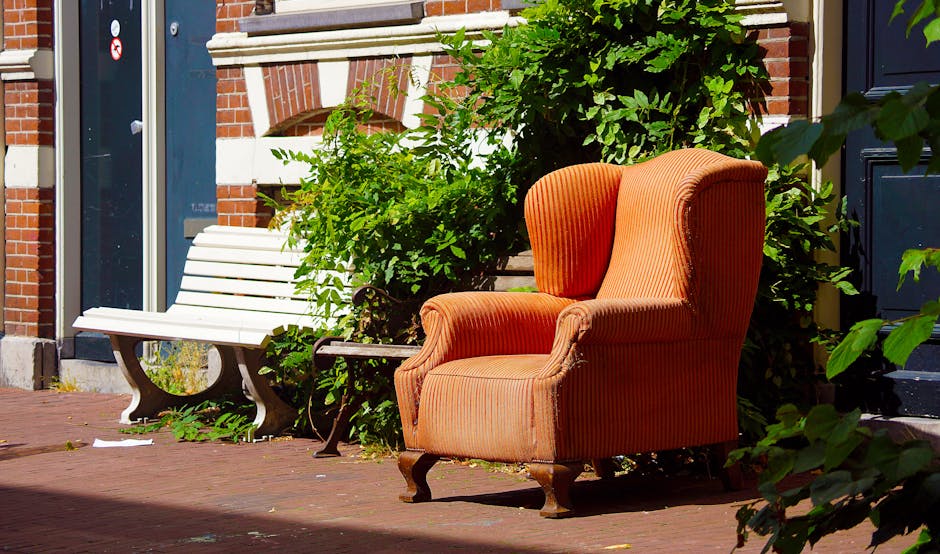
If you are trying to clear an old sofa, wardrobe, bed frame, or dining table in Wapping, the process can look simple on the surface and then get awkward fast. The furniture is heavy, the stairwell is narrow, the lift is tiny, and suddenly you are wondering whether you can leave it outside, book a collection, or need to use a licensed disposal route. This guide explains the legal guide: disposing furniture in Wapping and council rules in plain English, so you can avoid fly-tipping risks, nuisance fines, and that slightly panicky feeling when you are not quite sure what the rules are. Truth be told, a lot of people only think about disposal once the item is already in the hallway. Better to plan it properly.
In the sections below, you will learn how furniture disposal usually works in a London borough setting, what council expectations mean in practice, which mistakes cause the most trouble, and how to choose the safest, most sensible option for your situation. If your clear-out is tied to a move, you may also find it helpful to read decluttering advice before moving and pre-move cleaning tips while you are planning the job.
Why Legal guide: disposing furniture in Wapping and council rules Matters
Furniture disposal is one of those jobs that feels low stakes until it goes wrong. In a place like Wapping, where flats, mansion blocks, tight access roads, and shared entrances are common, the practical side matters just as much as the legal side. A chair dumped beside a bin store can become a nuisance very quickly. A sofa left on the pavement can block access for neighbours, pedestrians, or cleaners. And if waste is put out incorrectly, the responsibility often falls back on the person who arranged it.
That is why council rules are not just paperwork. They are the framework that keeps the area tidy, protects shared spaces, and stops furniture from becoming an obstacle or a hazard. You do not need to memorise every local process, but you do need to understand the principle: once furniture is being discarded, it counts as waste, and waste needs a lawful route. That could mean a collection booked properly, a reuse option, a recycling route, or a professional removal service that handles disposal responsibly. If a move is involved, a helpful companion read is bulky waste removal and skip alternatives, which fits neatly with the questions people ask during clear-outs.
There is also a practical reason. Wapping homes often involve stairs, limited parking, or awkward loading points. A bulky item can become a safety issue long before it becomes a disposal issue. A quick example: a resident decides to drag an old chest of drawers down a narrow staircase on a rainy evening. The drawers slide, the floor gets scuffed, the corner catches the wall, and the whole job becomes slower and riskier than hiring help in the first place. Not ideal. Not fun either.
How Legal guide: disposing furniture in Wapping and council rules Works
At a practical level, furniture disposal in Wapping usually follows one of a few routes. The right one depends on what the item is, how usable it still is, how much time you have, and whether you need it collected from inside the property or from outside. The council rules mainly govern how waste should be stored, presented, and handed over, while any disposal company or helper needs to follow waste-handling best practice.
The process generally starts with identifying the item. Is it a sofa, bed, table, wardrobe, office desk, mattress, or something heavier like a piano bench or sideboard? The answer matters because some items can be reused, some may need specialist handling, and some are awkward enough that the safest option is professional removal. For larger household clear-outs, you may also want to compare your approach with furniture removals in Wapping and man and van support, especially if stairs or parking make things difficult.
Next comes the route decision. In broad terms, the common paths are:
- Reuse or donation if the furniture is in usable condition.
- Reuse through a second-hand buyer or local charity route, where appropriate.
- Bulky waste collection if your local authority accepts that item type under its rules.
- Private collection or removal service when access, timing, or quantity makes DIY disposal impractical.
- Recycling for items or parts that can be broken down responsibly.
Then there is the logistics stage. That means checking access, measuring item dimensions, deciding whether the item needs dismantling, protecting communal areas, and confirming where the item will be placed before collection. In blocks and flats, this can be the difference between an easy handover and a complaint from neighbours. If your staircase is especially tight, blocked staircase moving fixes is a useful read because the same access issues often show up during disposal as they do during moving.
One subtle point people miss: "getting rid of furniture" and "disposing of furniture legally" are not always the same thing. You may be able to give away an item, but if you place it in the wrong location or hand it to someone who cannot prove proper collection, you can still end up with a problem. The safest mindset is simple: if you cannot clearly explain where the item is going and who is responsible for it, pause and sort that out first.
Key Benefits and Practical Advantages
Doing furniture disposal the right way brings a lot more than compliance. It saves time, reduces stress, and keeps the whole home environment calmer. In our experience, people often underestimate how much emotional relief comes from seeing a bulky item leave the property cleanly and without drama. It just changes the feel of the room.
- Lower risk of penalties or complaints because the disposal route is clearer and more defensible.
- Less physical strain since heavy lifting can be planned instead of improvised.
- Better neighbour relations by avoiding clutter in shared hallways or bin areas.
- More chance of reuse or recycling for items that still have life left in them.
- Cleaner property handover if you are moving out or preparing a rental for inspection.
There is also a financial angle. A rushed decision often leads to duplicated work: one attempt to move the item, another attempt to dispose of it, then maybe a separate clean-up because the first plan was not quite right. Planning properly tends to cost less overall, even if it means booking help or taking a little more time upfront. To be fair, that is often the least glamorous route and the most sensible one.
For people moving house, this is where disposal links naturally with the rest of the move. If you are already packing and organising boxes, it can make sense to combine disposal with a broader clear-out. Helpful background reads include packing tips for a smoother relocation and house removals in Wapping if you are handling everything in one go.
Who This Is For and When It Makes Sense
This guide is useful if you are a tenant, homeowner, landlord, student, letting agent, or small office manager dealing with unwanted furniture in Wapping. It is especially relevant if the item is too large for normal bin disposal, too bulky for one person to handle safely, or too valuable to simply abandon. And yes, that includes the old sofa you have been meaning to sort out for months. We all have one of those, or at least know someone who does.
It makes sense to use a more careful disposal route when:
- you are leaving a property and need to clear furniture before checkout
- the item will not fit in ordinary waste containers
- the building has stairs, lift restrictions, or shared access
- the item could be reused, donated, or recycled
- you need same-day or near-term clearance for practical reasons
- you want to avoid leaving anything on the street or in communal areas
Students and flat-sharers often need the fastest route because move-out dates are fixed and storage space is limited. Landlords and agents, on the other hand, usually need a route that protects the building, keeps the common parts tidy, and avoids delays between tenancies. If timing is tight, same-day removals in Wapping may be worth considering, while student removals can be useful for smaller loads that still need proper handling.
Step-by-Step Guidance
Below is a simple, practical way to handle furniture disposal without overcomplicating it. It is the kind of process you can follow on a busy weekday without losing the plot.
- Identify each item clearly. Write down what it is, whether it is intact, and whether it could be reused.
- Check condition honestly. A wobbly table with one missing leg is not the same as a sturdy sideboard with a few scuffs.
- Measure the item and the route out. Measure doorways, stair turns, and any lift dimensions if you need to move it through the building.
- Decide whether it should be reused, recycled, or collected as waste. If it can be passed on safely, that is often the best first option.
- Confirm any building or council presentation rules. Avoid placing items in shared hallways, fire exits, or public pavements unless you know the arrangement is allowed and booked correctly.
- Prepare the item. Empty drawers, tape loose parts, remove cushions or detachable legs, and protect floors with blankets or cardboard if needed.
- Book the right help. Choose a route that matches the item size, access, and timing. A professional team is often the easiest option for awkward furniture.
- Keep records. Save the booking confirmation or note the collection details in case you need to show that you handled it properly.
If you are unsure whether to dismantle an item, ask yourself one practical question: will taking it apart reduce risk, or just create more pieces to manage? Sometimes dismantling helps. Sometimes it turns a straightforward job into a small chaos spiral. Slightly annoying, but true.
For especially awkward pieces, such as pianos or very heavy cabinets, specialist handling is usually the safer route. You can read more about why specialist piano moving can be worth it and solo heavy lifting ideas if you are assessing whether to tackle it yourself.
Expert Tips for Better Results
A few small decisions can make furniture disposal much easier. These are the things that tend to matter in real homes, not just in tidy checklists.
- Start with the biggest item first. The largest piece usually determines the whole disposal plan.
- Protect shared surfaces. Hallways in older Wapping buildings can mark easily, especially on damp days.
- Keep screws and fittings in labelled bags. Even if you are throwing the item away, this keeps the process controlled.
- Take photos before collection. Handy if there is a dispute about condition, access, or whether something was included.
- Stack nothing in fire exits or entrance lobbies. It sounds obvious, but it is one of the most common ways people accidentally create a hazard.
- Use the clean-out as a chance to sort storage. If you are keeping some items temporarily, a local storage option can stop your flat from becoming a warehouse.
If a sofa or bed is part of the clear-out, you might also find useful detail in moving a bed and mattress safely and couch storage advice. These topics often overlap with disposal, because people are deciding what to keep, store, or remove entirely.
One practical tip from the field: do the path-check before moving the item, not after. Open the doors, check the corners, look at the landing, glance at the pavement outside. That 60-second scan can save a bruised wall and a bruised back. Handy little habit, that.

Common Mistakes to Avoid
The biggest mistakes usually come from speed. People want the item gone, so they skip the boring steps. Unfortunately, boring steps are often the ones that keep you out of trouble.
- Leaving furniture on the street without proper arrangement. This can create a nuisance and may be treated as illegal dumping.
- Assuming "someone will collect it" means responsibility is gone. If you hand waste to the wrong person, it can come back to you.
- Underestimating weight and access. A two-person lift is not always enough for a large wardrobe or heavy solid-wood table.
- Ignoring building rules. Communal areas and lift bookings matter more than people think.
- Forgetting to check what condition the item is in. A donation route only works if the item is actually fit to be reused.
- Mixing waste types together carelessly. Some items need different handling, especially if they contain glass, fabric, metal, or electrical components.
Another quiet mistake is trying to do everything in one rushed sweep after work, when you are tired and the light is fading. That is exactly when you miss a scratch on the floor, leave fixings behind, or forget to confirm the collection slot. Better to spread the job out a bit. Your evening will thank you.
Tools, Resources and Recommendations
You do not need a huge toolkit to dispose of furniture well, but a few basics make the process safer and cleaner. Think of this as the practical kit, not the flashy kit.
| Tool or resource | What it helps with | Why it matters |
|---|---|---|
| Measuring tape | Checking doorways, stair turns, and item dimensions | Stops avoidable access problems |
| Gloves | Handling rough edges, dust, and old fixings | Gives basic grip and protection |
| Furniture blankets | Protecting floors, walls, and other items | Useful in tight Wapping stairwells |
| Labelled bags | Keeping screws and fittings together | Prevents mess during dismantling |
| Camera on your phone | Recording item condition and access points | Helpful if details need to be confirmed later |
For disposal planning and the wider move, a few more pages can help: recycling and sustainability if you want to think about reuse and environmental responsibility, packing and boxes support if your clear-out is part of a larger relocation, and pricing and quotes if you want a sense of how a professional service is usually arranged.
For company background and service standards, about the team and insurance and safety are also worth checking when you are deciding who to trust with the job.
Law, Compliance, Standards, or Best Practice
Furniture disposal in the UK is governed by a mix of waste law, local authority rules, property rules, and practical duty of care. You do not need to become a legal specialist, but you should understand the basics. The central idea is straightforward: waste must be handled lawfully, and you should be able to show that you took reasonable steps to use a proper route.
In practice, this means avoiding fly-tipping, not abandoning furniture on public land, and not using a disposal route that looks convenient but cannot be verified. If a collection service is involved, it should be clear what is being taken, when it is being taken, and who is responsible for it afterwards. That is especially important if you are passing items to a third party, because the duty of care does not disappear just because the item has left your flat.
Best practice also means respecting building regulations and shared spaces. In a block of flats, that can include keeping escape routes clear, not blocking corridors, and making sure waste is not left where it creates a hazard. If you are arranging disposal around a move, reading skip permit guidance for Wapping moves can help you think through the access side, even if you do not end up using a skip at all.
One more thing, because this comes up a lot: if an item is reusable, the most responsible choice may be reuse rather than disposal. That is not just about being eco-friendly; it is often the cleaner, simpler, and less stressful route. A chair that can be rehomed is one less item in the waste stream, and one less load to drag down the stairs at 8 a.m. Nice outcome all round.
Options, Methods, or Comparison Table
There is rarely only one correct method. The best choice depends on condition, timing, access, and how much work you want to do yourself. Here is a clear comparison.
| Method | Best for | Pros | Watch-outs |
|---|---|---|---|
| Reuse or donation | Usable furniture in good condition | Can be fast, low waste, and cost-effective | Not suitable for damaged or soiled items |
| DIY disposal | Small, manageable pieces and easy access | Can save money if you already have transport | Heavy lifting, parking, and time pressure |
| Council-style bulky waste route | Households following local collection rules | Structured and familiar for residents | Availability, item limits, and booking lead times |
| Professional removal | Heavy, awkward, urgent, or multiple items | Safer, quicker, and easier in tight access areas | Need to choose a reputable provider |
| Storage first, disposal later | When you are undecided or staging a move | Buys time and avoids rushed decisions | Can add storage cost if left too long |
If you are in a flat and unsure which route to use, this is where a local service can really help. A good crew understands the realities of Wapping access, and that matters more than people expect. For related reading, see flat removals in Wapping and removal services overview.
Case Study or Real-World Example
Imagine a couple moving out of a second-floor flat near the river. They have a three-seat sofa, a broken coffee table, two wardrobes, and a bed frame that has seen better days. At first, they think they can manage it over a couple of evenings. Then they check the staircase. Tight corner. Narrow landing. Not much room to swing a wardrobe, let alone carry it safely. And the building manager is understandably not thrilled about items sitting in the hall overnight.
Instead of forcing the job, they split the task into three decisions. The sofa is still usable, so they arrange reuse. The coffee table is beyond repair, so it goes for lawful disposal. The wardrobes are dismantled by someone who knows how to protect the route and lift safely. The bed frame is taken away at the same time as the move, so nothing is left behind. The whole process feels less dramatic, and no one has to drag a scratchy old drawer unit through a communal entrance at dusk. Simple, but effective.
That is the main lesson here. Disposal works better when it is handled as a sequence of small decisions instead of one giant "get rid of it" moment. You will notice the difference almost immediately: fewer arguments, fewer delays, and much less clutter sitting around waiting for attention. Very satisfying, actually.
Practical Checklist
Use this quick checklist before you dispose of any furniture in Wapping:
- Confirm the item is being reused, recycled, collected, or legally disposed of
- Check whether the furniture can be dismantled safely
- Measure doorways, stairs, lifts, and the item itself
- Protect floors, walls, and communal areas
- Clear the item of personal belongings and loose fittings
- Make sure collection timing works with building access
- Keep the item out of fire exits, shared corridors, and pavements unless properly arranged
- Save booking confirmations or notes
- Choose the safest option for heavy or awkward items
- Double-check nothing has been left behind in drawers or compartments
Practical summary: if the item is bulky, awkward, or likely to cause access issues, do not wing it. Plan the route, keep the paperwork straight, and use help where needed. That is the cleanest way to stay on the right side of local rules and keep the day moving.
Get a free quote today and see how much you can save.
If you want a straightforward, local approach to clearing furniture without the usual hassle, take a look at how to get in touch and compare it with the rest of your move plan. A calm, lawful clear-out is worth it. And once the heavy piece is gone, the room can breathe again a bit. That feeling matters.
Conclusion
Furniture disposal in Wapping is not just a matter of lifting something out of the door and hoping for the best. It is about choosing a lawful route, respecting local expectations, protecting shared spaces, and making a decision that fits your home, timing, and budget. The good news is that once you know the basic rules and the practical steps, the process becomes far less intimidating.
Whether you are clearing one sofa or a whole flat of unwanted furniture, the safest approach is usually the one that combines planning, compliance, and a realistic view of what you can physically manage. That may mean reuse, recycling, storage, or professional removal. Whatever route you choose, the key is to stay deliberate. No panic. No guesswork. Just a tidy, sensible plan.
And honestly, once the clutter is gone, the place feels different. Quieter. Lighter. A bit easier to live in. That is usually the goal, after all.